
Pregnancy Test at Home: A Simple Guide to Understanding and Using Them
Pregnancy tests are a quick, private, and reliable way to find out if you’re pregnant from the comfort of your home. Whether you’re trying to conceive or suspect you might be pregnant, home pregnancy tests are widely accessible and easy to use. This comprehensive guide will walk you through how pregnancy tests work, how to use them correctly, their accuracy, and what to do after getting your results. We’ll also address common questions in a detailed FAQ section to ensure you have all the information you need.
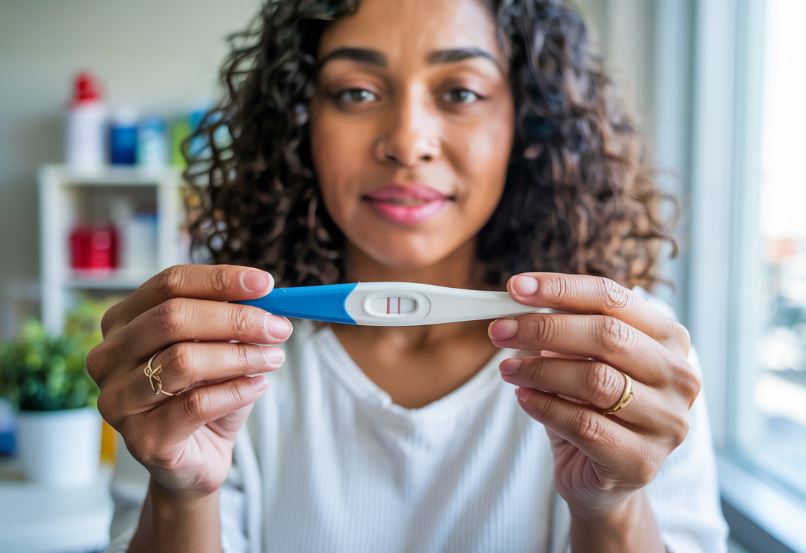
What Is a Home Pregnancy Test?
A home pregnancy test is a simple tool designed to detect the presence of human chorionic gonadotropin (hCG), a hormone produced by the placenta shortly after a fertilized egg implants in the uterus. This hormone is detectable in urine and, in some cases, blood, making it a reliable marker of early pregnancy.
Home pregnancy tests are available over-the-counter at pharmacies, supermarkets, and online retailers. They come in various formats, including strips, midstream sticks, and digital tests, but they all work on the same principle: detecting hCG levels in your urine.
How Do Home Pregnancy Tests Work?
When you become pregnant, your body starts producing hCG, which increases rapidly in the early weeks of pregnancy. Home pregnancy tests contain antibodies that bind to hCG if it’s present in your urine. When this happens, the test displays a result, usually in the form of lines, a plus/minus sign, or words like “pregnant” or “not pregnant” on digital tests.
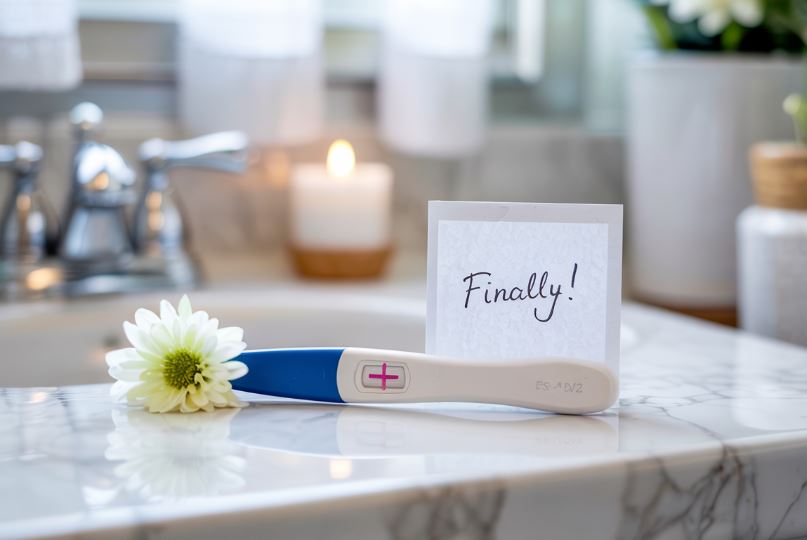
Types of Home Pregnancy Tests
- Strip Tests: These are the most basic and affordable. You dip a test strip into a cup of your urine for a few seconds, then wait for the results.
- Midstream Tests: These are the most common. You hold the test stick in your urine stream or dip it into a urine sample.
- Digital Tests: These provide a clear result in words (e.g., “Pregnant” or “Not Pregnant”) and are user-friendly but more expensive.
- Early Detection Tests: These are highly sensitive and can detect lower levels of hCG, allowing you to test before your missed period.
How to Use a Home Pregnancy Test
Using a home pregnancy test is straightforward, but following the instructions carefully is key to getting accurate results. Here’s a step-by-step guide:
Step 1: Choose the Right Time
- Most tests are accurate when taken on or after the first day of your missed period.
- If you’re using an early detection test, you can test as early as 6–12 days after ovulation, but results may be less reliable the earlier you test.
Step 2: Read the Instructions
- Every test is slightly different, so check the package for specific guidelines.
- Note the recommended wait time for results (usually 1–5 minutes) and whether you need to collect urine in a cup or use the test directly in your urine stream.
Step 3: Collect Your Sample
- First Morning Urine: This is ideal because it’s more concentrated and likely to contain higher levels of hCG.
- If you can’t test in the morning, avoid drinking too much liquid before testing to prevent diluting your urine.
Step 4: Take the Test
- For midstream tests, hold the test in your urine stream for the specified time (usually 5–10 seconds).
- For strip or dip tests, collect urine in a clean, dry container and dip the test strip for the required time.
- For digital tests, follow the same process, but the result will appear on a digital screen.
Step 5: Wait for the Result
- Place the test on a flat surface and wait for the time indicated (usually 1–5 minutes).
- Avoid reading the result too early or too late, as this can lead to misinterpretation.
Step 6: Interpret the Result
- Positive Result: Two lines, a plus sign, or the word “Pregnant” indicates you’re likely pregnant.
- Negative Result: One line or the words “Not Pregnant” means no hCG was detected.
- Invalid Result: If no lines appear or the control line is missing, the test may be faulty. Retest with a new kit.
How Accurate Are Home Pregnancy Tests?
Home pregnancy tests are highly accurate—up to 99% when used correctly and taken on or after the day of your missed period. However, accuracy depends on several factors:
- Timing: Testing too early can result in a false negative because hCG levels may be too low to detect.
- Test Sensitivity: Some tests detect lower levels of hCG (e.g., 10 mIU/mL) and are more sensitive than others (e.g., 25 mIU/mL).
- User Error: Not following instructions, using diluted urine, or misreading results can affect accuracy.
- Medical Conditions: Rarely, certain conditions like ovarian cysts or ectopic pregnancy can cause false positives.
If you get a negative result but still suspect you’re pregnant, wait a few days and retest. If you continue to get unclear results, consult a healthcare provider.
What to Do After Taking a Pregnancy Test
If the Test Is Positive
- Confirm with a Doctor: Schedule an appointment with a healthcare provider to confirm the pregnancy with a blood test or ultrasound.
- Start Prenatal Care: Begin taking prenatal vitamins (if you haven’t already) and adopt a healthy lifestyle.
- Track Your Pregnancy: Use apps or journals to monitor your symptoms and due date.
If the Test Is Negative
- Retest if Necessary: If your period is still late or you have pregnancy symptoms, retest in a few days.
- Monitor Symptoms: Persistent symptoms like nausea or fatigue may warrant a visit to your doctor.
- Consider Other Causes: A missed period could be due to stress, hormonal imbalances, or other factors.
If the Result Is Unclear
- Retest: Use a new test and follow the instructions carefully.
- Seek Medical Advice: If you keep getting faint lines or inconsistent results, a doctor can perform a blood test for clarity.
Tips for Accurate Results
- Check the Expiration Date: Expired tests may give false results.
- Store Tests Properly: Keep them in a cool, dry place to maintain their effectiveness.
- Avoid Overhydration: Drinking too much water before testing can dilute your urine.
- Follow Timing Guidelines: Testing too early or reading results too late can lead to errors.
- Use a Timer: This helps you wait the exact amount of time recommended for accurate results.
Frequently Asked Questions (FAQ) About Home Pregnancy Tests
1. How soon can I take a pregnancy test?
Most tests are accurate on the first day of your missed period. Early detection tests can be used 6–12 days after ovulation, but the closer you are to your expected period, the more reliable the result.
2. Can a pregnancy test give a false positive?
False positives are rare but can occur due to:
- Chemical pregnancy (early miscarriage).
- Certain medications, like fertility drugs containing hCG.
- Medical conditions like ovarian cysts or tumors.
- Evaporation lines (faint lines that appear after the recommended reading time).
3. Can a pregnancy test give a false negative?
Yes, false negatives are more common than false positives, especially if:
- You test too early.
- Your urine is diluted.
- The test is not sensitive enough.
- You misread the result.
4. What does a faint line on a pregnancy test mean?
A faint line usually indicates a positive result, as it suggests low levels of hCG. Retest in a few days to confirm, as hCG levels double every 48–72 hours in early pregnancy.
5. Can medications or medical conditions affect the test?
Yes, fertility drugs containing hCG can cause false positives. Other medications, like birth control or antibiotics, typically don’t affect results. Conditions like polycystic ovary syndrome (PCOS) or recent miscarriage may also influence outcomes.
6. When should I see a doctor after a positive test?
Contact a healthcare provider as soon as possible to confirm the pregnancy and begin prenatal care. They may perform a blood test or ultrasound to verify the results.
7. Are digital tests better than traditional tests?
Digital tests are easier to read because they display words, but they’re not necessarily more accurate. Both types are reliable when used correctly.
8. Can I reuse a pregnancy test?
No, pregnancy tests are single-use only. Reusing a test will not give accurate results.
9. How much do home pregnancy tests cost?
Prices vary depending on the brand and type:
- Basic strip tests: $1–$5 per test.
- Midstream tests: $5–$15 per test.
- Digital tests: $10–$20 per test.
Bulk packs or store brands are often more affordable.
10. Can drinking alcohol or caffeine affect the test?
No, alcohol and caffeine don’t affect the test’s ability to detect hCG. However, excessive liquid intake can dilute your urine, potentially leading to a false negative.
11. What is an evaporation line?
An evaporation line is a faint streak that may appear if you read the test after the recommended time. It’s not a positive result and can be confused with one, so always check results within the specified window.
12. Can I take a pregnancy test at any time of day?
Yes, but first morning urine is best because it’s more concentrated. If testing later, avoid drinking large amounts of fluid beforehand.
Common Myths About Home Pregnancy Tests
- Myth: You need to wait weeks after unprotected sex to test.
Fact: Most tests can detect pregnancy within 10–14 days after conception. - Myth: Home tests are unreliable.
Fact: When used correctly, they’re up to 99% accurate. - Myth: A negative result means you’re not pregnant.
Fact: Testing too early can give a false negative, so retest if your period doesn’t start.
Conclusion
Home pregnancy tests are a convenient and reliable way to check for pregnancy in the privacy of your home. By choosing the right test, following instructions carefully, and testing at the optimal time, you can trust the results to guide your next steps. Whether you get a positive or negative result, always follow up with a healthcare provider if you have questions or need confirmation.
If you’re trying to conceive or simply want to understand your body better, home pregnancy tests are an empowering tool. Stay informed, stay calm, and take one step at a time.