
What’s Behind India’s "Persona Non Grata" Move After the Pahalgam Attack?
Hey there! If you’ve been following India-Pakistan news, you might have heard about the Pahalgam terror attack and some big moves by the Indian government, like declaring Pakistani diplomats persona non grata and hitting pause on the Indus Waters Treaty. It’s a lot to unpack, but don’t worry—I’m here to break it all down in a super simple, human-friendly way. We’ll talk about what these terms mean, why they matter, and how they connect to things like the Attari-Wagah border, the Sindhu River, and even the SAARC visa. Plus, I’ve got a handy FAQ section to answer all your burning questions. Let’s dive in!
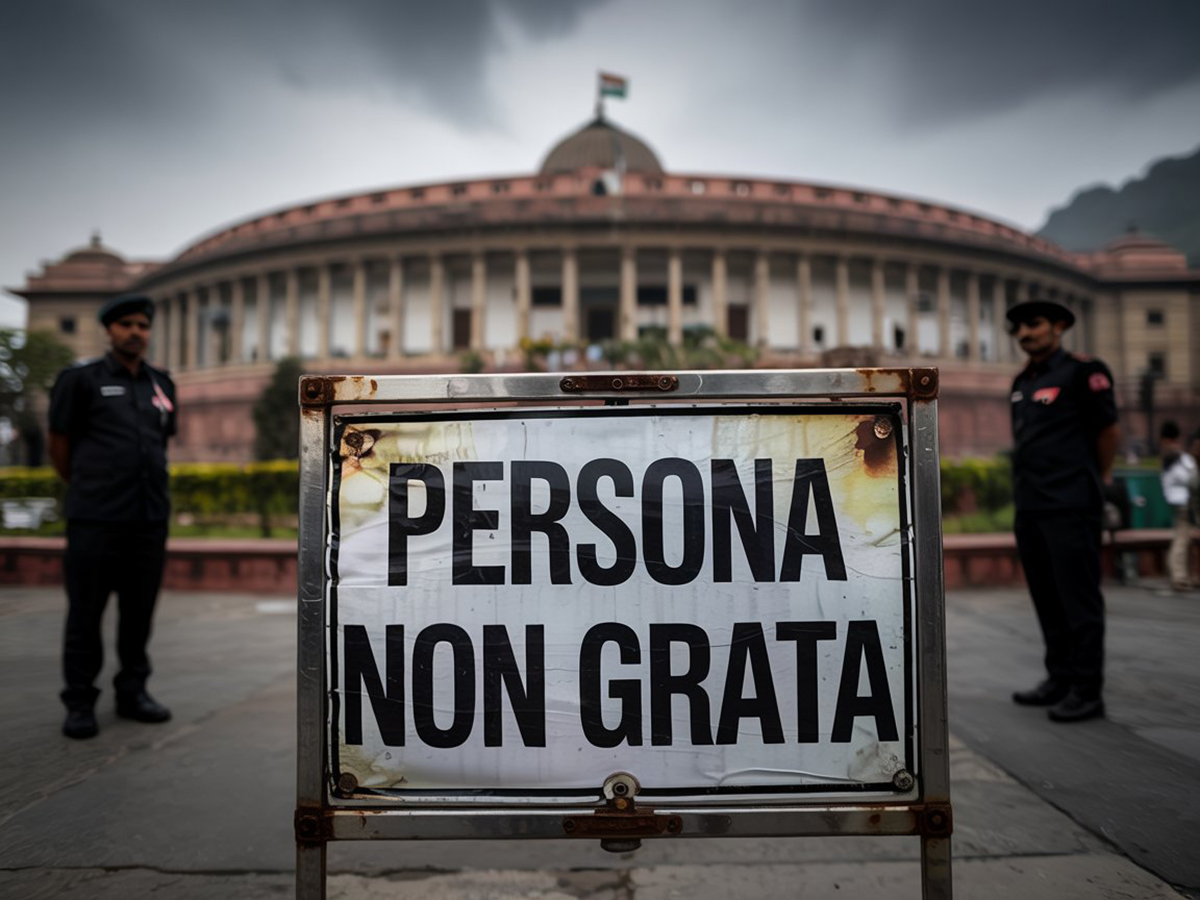
What Does “Persona Non Grata” Even Mean?
Imagine you invite someone to your house, but they break your rules or cause trouble. You’d probably ask them to leave, right? That’s kind of what persona non grata is in the world of diplomacy. It’s a fancy Latin term that means “unwelcome person.” When a country declares someone persona non grata, they’re saying, “Hey, you’re not welcome here anymore—please pack your bags.”
After the Pahalgam terror attack in Jammu and Kashmir, India pointed the finger at Pakistan and decided to take action. On April 23, 2025, the Indian government told the Defence, Military, Naval, and Air Advisors at the Pakistan High Commission in New Delhi that they were persona non grata. They had one week to leave the country. This was India’s way of saying, “We’re not okay with what happened, and we’re taking a stand.”
What Happened in the Pahalgam Terror Attack?
So, what’s the Pahalgam terror attack all about? Pahalgam is a beautiful, touristy spot in Jammu and Kashmir, but it was rocked by a terrorist attack that shook India. While we don’t have all the gritty details, posts on X suggest it was serious enough to get the Cabinet Committee on Security (CCS)—a group of India’s top leaders—together for an emergency meeting, led by the Ministry of External Affairs (MEA).
India believes Pakistan had a hand in the attack, either directly or by not doing enough to stop terrorism. As a result, India didn’t just kick out diplomats—they also made a bold move by pausing the Indus Waters Treaty, which is a big deal for both countries. Let’s talk about that next.
What’s the Indus Waters Treaty, and Why Does It Matter?
Picture this: you and your neighbor share a big river that waters both your gardens. You need to agree on how to split the water fairly, right? That’s what the Indus Waters Treaty does for India and Pakistan. Signed back in 1960 with help from the World Bank, this treaty decides how the Indus River (also called the Sindhu River) and its tributaries are shared. It’s a lifeline for farming, electricity, and everyday life in both countries.
Here’s the Deal:
- India gets to use the Eastern Rivers (Ravi, Beas, and Sutlej) for things like irrigation and power.
- Pakistan gets most of the water from the Western Rivers (Indus, Jhelum, and Chenab), but India can use them for stuff like hydropower without using up the water.
- A group called the Permanent Indus Commission keeps things running smoothly and sorts out any disagreements.
The Indus River starts in the snowy mountains of Tibet and flows through India and Pakistan, making it super important for both nations. This treaty has held strong through tough times, like wars, but the Pahalgam terror attack changed things. India’s Foreign Secretary Vikram Misri announced that the treaty is on hold until Pakistan steps up and tackles terrorism. That’s a huge move, and it’s got everyone talking about India-Pakistan tensions.
Why Pause the Treaty?
Suspending the Indus Waters Treaty is like pressing the pause button on a long-standing agreement. India’s saying, “We’re not happy with Pakistan’s actions, and we’re putting this on hold until things change.” Since Pakistan depends heavily on the Indus River for its farms and power, this could create big challenges. It’s a way for India to show they’re serious about fighting terrorism.
What’s the Deal with the Attari-Wagah Border?
If you’ve ever seen videos of soldiers marching and lowering flags at sunset, you’ve probably seen the Attari-Wagah border. It’s the border crossing between India (near Amritsar) and Pakistan (near Lahore), also called the Wagah border, Attari border, or Wagah Attari border. Every evening, soldiers from both sides put on a dramatic show called the Beating Retreat Ceremony. It’s like a friendly competition that shows both rivalry and respect.
While the Pahalgam terror attack didn’t directly involve the border, any tension between India and Pakistan can affect what happens here—like trade, travel, or even visa stuff like the SVES visa. Speaking of visas, let’s clear that up next.
What Are SVES Visa and SAARC Visa?
SVES Visa: What’s That?
The SVES visa (short for SAARC Visa Exemption Scheme) is like a special pass for certain people traveling between SAARC countries. SAARC (South Asian Association for Regional Cooperation) is a group of eight countries: Afghanistan, Bangladesh, Bhutan, India, Maldives, Nepal, Pakistan, and Sri Lanka. The SVES visa lets folks like government officials, businesspeople, or VIPs travel without needing a regular visa, making it easier to work together on trade or cultural stuff.
But here’s the catch: when things get tense, like after the Pahalgam terror attack, agreements like this can hit roadblocks, especially between India and Pakistan.
SAARC Visa Meaning
When people talk about a SAARC visa, they usually mean the SVES visa or other visa rules under SAARC. There’s no one-size-fits-all visa for all SAARC citizens, but the SVES visa is a big part of it. The goal is to bring South Asian countries closer, but disputes like those between India and Pakistan can make that tricky.
Who’s Vikram Misri, and What’s the MEA?
Meet Vikram Misri, India’s Foreign Secretary—basically the person in charge of India’s dealings with other countries. After the Pahalgam terror attack, he was front and center, announcing that India was pausing the Indus Waters Treaty and declaring Pakistani diplomats persona non grata. He works for the Ministry of External Affairs (MEA), which is like India’s foreign affairs HQ. They handle everything from talking to the Pakistan High Commission to working with global groups like the World Bank on things like the Indus Treaty.
How Does the Pakistan High Commission Fit In?
The Pakistan High Commission is Pakistan’s embassy in New Delhi, where their diplomats work to keep India-Pakistan relations on track. When India declared some of their military advisors persona non grata, it was a big deal—it’s like saying, “We don’t trust you right now.” This move shows how strained things are after the Pahalgam terror attack.
We haven’t heard much about the Pakistan PM (Prime Minister) in this specific situation, but Pakistan’s leaders will likely respond, either by pushing back or trying to talk things out through global platforms.
Your Questions Answered: FAQs
1. What’s Persona Non Grata?
It’s when a country tells a foreign diplomat, “You’re not welcome here anymore.” After the Pahalgam terror attack, India told some Pakistani diplomats they had to leave within a week because of the attack.
2. What’s the Indus Waters Treaty?
It’s an agreement from 1960 that splits the Indus River and its tributaries between India and Pakistan. India gets the Eastern Rivers, and Pakistan gets most of the Western Rivers. It’s been a big deal for both countries’ farms and power.
3. Why Did India Pause the Indus Waters Treaty?
India hit pause on the treaty because they believe Pakistan isn’t doing enough to stop terrorism, especially after the Pahalgam terror attack. It’s a way to push Pakistan to act.
4. What’s the Attari-Wagah Border?
It’s the border between India and Pakistan near Amritsar and Lahore, famous for the Beating Retreat Ceremony. It’s a symbol of both competition and cooperation, but tensions like these can affect it.
5. What’s an SVES Visa?
The SVES visa lets certain people, like officials or business folks, travel between SAARC countries (like India and Pakistan) without a regular visa. It’s meant to make regional teamwork easier.
6. Why Is the Indus River So Important?
The Indus River (or Sindhu River) is a lifeline for India and Pakistan. It waters crops, powers homes, and supports millions of people. The Indus Waters Treaty keeps things fair, so pausing it is a big deal.
7. Are India and Pakistan Headed for War?
The Pahalgam terror attack and the treaty suspension have made things tense, but there’s no clear sign of an India-Pakistan war right now. Diplomacy and international talks will likely try to cool things down.
Wrapping It Up
The Pahalgam terror attack has stirred up a lot of drama between India and Pakistan, from kicking out diplomats as persona non grata to pausing the Indus Waters Treaty. The Indus River, the Attari-Wagah border, and things like the SVES visa are all part of this big, complicated story. Vikram Misri and the MEA are working hard to protect India’s interests, while the Pakistan High Commission is caught in the middle.
This whole situation is like a high-stakes chess game, with moves that affect millions of people who rely on the Sindhu River or travel across the Wagah border. Will India and Pakistan find a way to talk it out, or will tensions keep rising? For now, understanding terms like persona non grata, Indus Waters Treaty, and SAARC visa meaning helps us see the bigger picture. Let’s hope cooler heads prevail!