
Amazon tariffs Drama: A Real Talk on Prices, Politics, and Shopping
Hey, What’s the Deal?
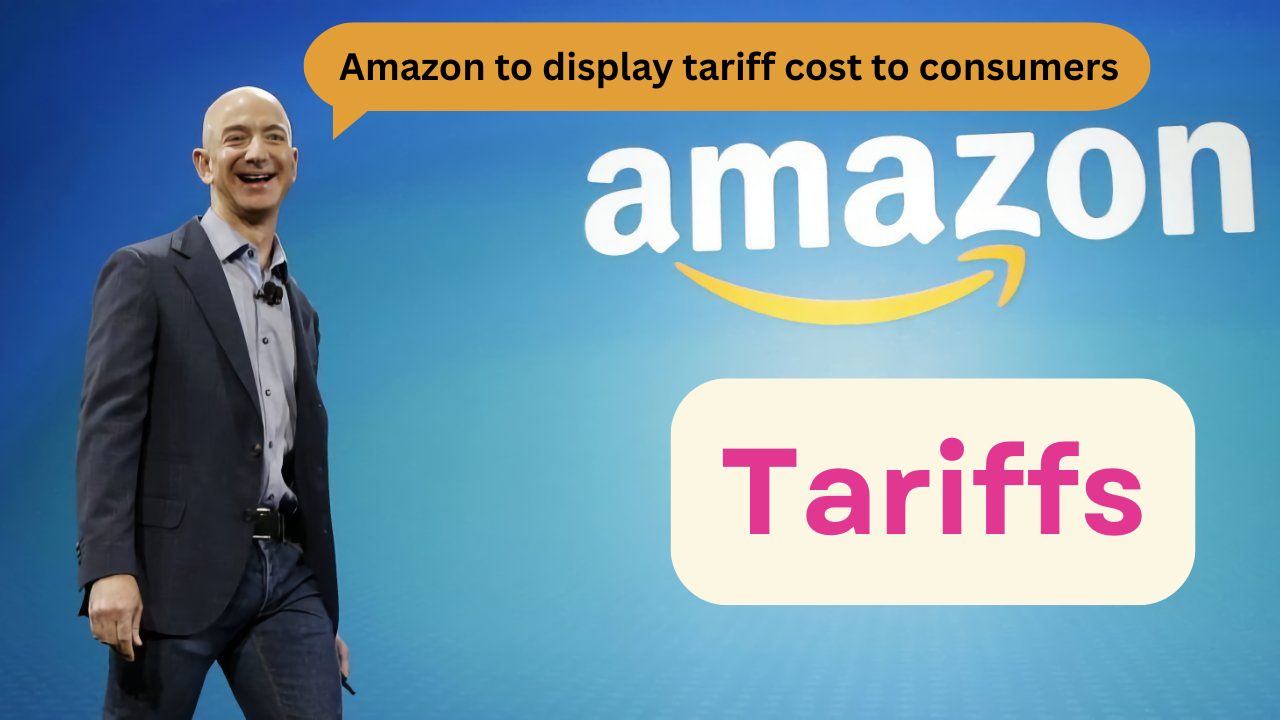
Picture this: it’s April 30, 2025, and the internet’s buzzing Amazon Tariffs because someone leaked that Amazon, the online shopping giant we all know, was supposedly planning to slap tariff costs right next to product prices at checkout. You know, those extra taxes on stuff imported from places like China, thanks to President Trump’s big tariff push. The rumor, dropped by Punchbowl News, got everyone talking—especially the White House, which wasn’t happy. They called it a “hostile” move, like Amazon was trying to point fingers at Trump’s policies for making things pricier.
Trump himself got involved, picking up the phone to call Jeff Bezos, Amazon’s big boss. After a quick chat, Amazon was like, “Whoa, hold up, that’s not happening!” They said their new budget store, Amazon Haul, might’ve tossed the idea around, but it was never a real plan for their main site or anywhere else. Drama over? Not quite. This whole mess has people wondering about what’s really going on with online shopping, prices, and politics. Let’s break it down, human to human, and figure out what this means for you, me, and everyone clicking “add to cart.”
The Big Blow-Up: What Started It All?
It all kicked off when Punchbowl News said they had the scoop: Amazon was planning to show exactly how much tariffs were jacking up prices on their site. These tariffs come from Trump’s new rules, which hit imported goods hard, especially from China. One big change? The “de minimis” rule, which let cheap shipments (under $800) sneak into the U.S. without taxes, got axed. Now, every little package faces extra costs, and Punchbowl claimed Amazon was ready to lay it all bare for shoppers.
The White House lost it. Press Secretary Karoline Leavitt went on the attack, saying Amazon was being “political” by blaming price hikes on Trump’s tariffs. She even threw shade, pointing out that Amazon didn’t make a fuss about prices when inflation was sky-high under Biden. Then, Trump himself stepped in, calling up Bezos to sort things out. Word is, Trump wasn’t thrilled about a huge company like Amazon making his policies look bad. After their talk, Trump gave Bezos a shout-out, calling him a “really nice guy” who “fixed it fast.” Gotta admit, it’s wild to see a president and a billionaire hashing it out like that!
Amazon’s Side: “Nope, Not Us!”
Amazon didn’t waste time setting the record straight. Their spokesperson, Tim Doyle, came out swinging, saying the tariff label thing was never a done deal. Apparently, the folks running Amazon Haul, their new super-cheap store, had kicked around the idea of showing import fees, but it didn’t get the green light. “Not happening on our main site, not happening anywhere,” Doyle said, shutting it down.
Why the quick backtrack? Well, imagine the headache of dealing with an angry White House, plus the risk of ticking off customers who don’t want to see extra fees staring them in the face. Amazon’s all about keeping shopping easy and prices low, so they probably figured it wasn’t worth the fight. Plus, with Trump breathing down their neck, it’s no surprise they wanted to smooth things over fast.
Zooming In on Amazon Haul
Let’s talk about Amazon Haul for a sec. It’s this new part of Amazon, launched in late 2024, to go head-to-head with cheap Chinese sites like Temu and Shein. Haul’s all about crazy low prices, but the catch is you might wait longer for your stuff since a lot of it ships straight from China. Sounds great, right? Except Trump’s tariffs are hitting Haul hard. Without that de minimis loophole, every package from China now gets slapped with extra taxes, which makes it tougher for Haul to keep prices dirt cheap.
The Haul team’s brief flirt with showing tariff costs makes sense when you think about it. They’re trying to compete in a cutthroat market, and those extra fees are eating into their game plan. Maybe they thought being upfront about tariffs would keep shoppers from feeling blindsided. But Amazon’s bigwigs clearly decided that wasn’t the vibe for their brand, especially not with the government watching.
Trump’s Tariffs: Why They’re Shaking Things Up
Trump’s tariffs are the real star of this drama. He’s brought back his “America First” playbook, cranking up taxes on imports—145% on Chinese goods, to be exact—and killing that de minimis rule. The goal? Boost American businesses and cut down on foreign stuff flooding the market. But here’s the flip side: it’s making everything more expensive, from clothes to gadgets, especially for online stores.
Sites like Temu and Shein, which live off cheap Chinese goods, are feeling the heat. Temu’s now showing “import charges” at checkout, and some items have doubled in price. Shein’s sneaking tariffs into their prices too—a $20 dress from last year might cost $34 now. Smaller brands, like Dame (think wellness products) and Jolie Skin Co., are straight-up adding tariff fees to orders. Dame’s even calling it a “Trump tariff surcharge” of $5 a pop.
Amazon’s playing it differently. Instead of passing those costs directly to you, they’re likely eating some of them or working magic with their suppliers to keep prices steady. CEO Andy Jassy’s been clear: “We’re doing everything we can to keep prices low.” That’s easier for a giant like Amazon, with its massive network and deep pockets, than for smaller players struggling to keep up.
Trump and Bezos: Frenemies?
This whole saga also gives us a peek into the soap opera between Trump and Bezos. Back in Trump’s first term, they were like oil and water. Trump trashed Bezos over The Washington Post’s reporting and Amazon’s taxes. But lately, things have thawed. Bezos donated $1 million to Trump’s inauguration, showed up to the event, and even tweaked The Post to focus on free markets and personal freedom. He’s also praised Trump’s “epic comeback,” which probably didn’t hurt.
Trump’s warming up too, calling Bezos “100 percent” and hyping his quick fix on the tariff issue. It’s a classic case of billionaires and politicians playing nice when it suits them. Trump’s pushing tax cuts and less red tape, which Amazon loves, but tariffs are a sore spot. Oh, and speaking of sore spots—Bezos’s wallet took a $30 billion hit this year, partly because of tariffs messing with markets. Ouch.
To Show or Not to Show: The Transparency Debate
This whole thing boils down to one big question: should companies like Amazon tell us exactly why prices are going up? On one hand, being upfront about tariffs could build trust. Temu’s doing it, and smaller brands like Dame are betting customers will respect the honesty. It’s like saying, “Hey, this isn’t our fault—blame the trade rules.”
But for Amazon, it’s a risky move. Showing tariff fees could make you think twice before buying, or worse, send you to a competitor. Plus, the White House made it clear they see it as a political jab, which is the last thing Amazon needs. They’re probably thinking, “Why stir the pot when we can just handle the costs behind the scenes?” It’s a tough call—transparency sounds nice, but it could backfire big time.
What’s This Mean for Shopping and the World?
This Amazon drama is just one piece of a much bigger puzzle. Trump’s tariffs are flipping the script on online shopping. Temu and Shein are hiking prices, and UPS is cutting 20,000 jobs and closing 73 facilities because e-commerce is slowing down. Amazon’s holding strong, but even they’re feeling the pressure, especially with Haul trying to keep up with the low-price kings.
For us shoppers, it’s simple: stuff costs more now. Those cheap deals from China? Not so cheap anymore. You might have to shell out extra or hunt for American-made alternatives, which is what Trump wants. But it’s not all rosy—higher prices could mean tighter budgets, especially for folks who rely on sites like Haul for bargains.
Globally, it’s a mess too. The U.S. and China are in a trade war, with China tweaking tariffs on American goods in response. Other countries, like Germany, are sweating over Trump’s threats of more import taxes. Companies like Mercedes-Benz and Adidas are already pulling their 2025 forecasts because of the uncertainty. It’s a domino effect, and we’re all caught in it.
So, What’s Next?
Amazon’s backed off showing tariff costs, but the bigger issue—how to deal with pricier goods in a tariff-heavy world—isn’t going away. Shoppers want to know why their favorite hoodie costs more, and businesses want to keep them happy without losing money. Smaller brands might keep pushing transparency, but giants like Amazon are likely to play it safe, at least for now.
This whole thing shows how much power politics has over your shopping cart. Trump’s call to Bezos wasn’t just a friendly chat—it was a reminder that the government’s watching. As tariffs keep shaking things up, Amazon, Temu, Shein, and everyone else will have to get creative. Maybe they’ll rework their supply chains, sweet-talk suppliers, or even lobby for softer rules. Whatever happens, one thing’s clear: online shopping’s not as simple as it used to be.
Wrapping It Up
The Amazon tariff saga of April 2025 was a wild ride—a leaked rumor, a White House meltdown, a Trump-Bezos phone call, and a quick backtrack. It’s a snapshot of what’s happening in e-commerce right now: tariffs are driving up costs, companies are scrambling, and shoppers are caught in the middle. Amazon’s sticking to its “keep it simple” playbook, but the pressure’s on as competitors like Temu and Shein raise prices and smaller brands get real about fees.
This isn’t just about Amazon—it’s about how global trade, politics, and your wallet are all tangled up. As tariffs keep stirring the pot, we’ll see more battles over prices, trust, and who gets the blame. So, next time you’re shopping online, keep an eye out. That “free shipping” might come with a hidden story.
Sources:
- Punchbowl News, April 29, 2025
- The New York Times, April 29, 2025
- Yahoo Finance, April 30, 2025
- The Indian Express, April 30, 2025
- Reuters, April 30, 2025
- Axios, April 30, 2025