
International Space Station: Your Friendly Guide to Life in Orbit
Ever wondered what it’s like to live in a giant space lab zooming around Earth, catching 16 sunrises a day? Welcome to the International Space Station (ISS), humanity’s home in the stars. Since 1998, this incredible spacecraft has been a hub for astronauts, scientists, and dreamers working together across borders. It’s where we test ideas for living on Mars, grow veggies in space, and snap jaw-dropping photos of our planet. In this guide, I’ll walk you through what the ISS is, why it’s so special, and answer your burning questions in a way that feels like we’re chatting over coffee. Ready to blast off?
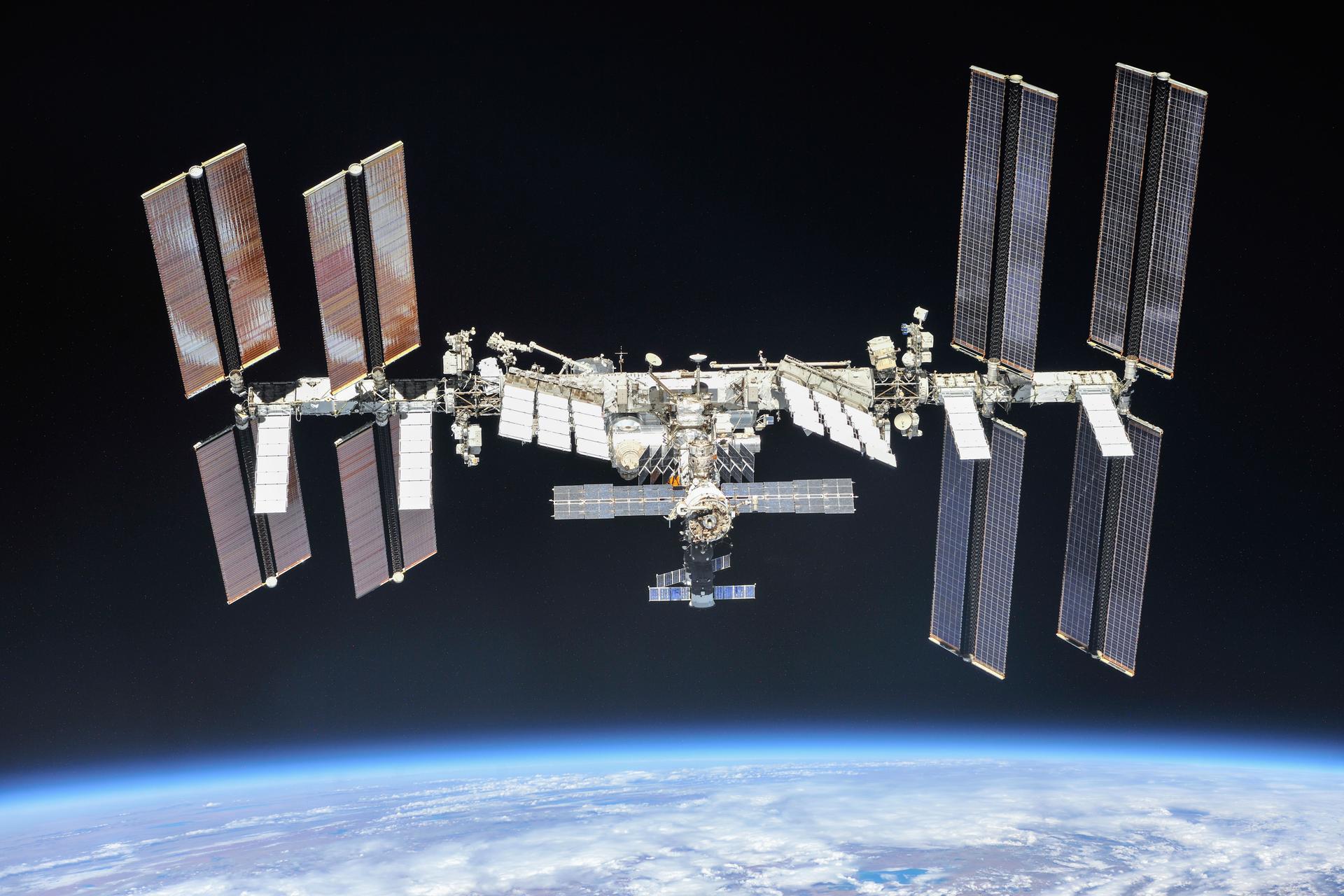
What’s the International Space Station All About?
The ISS is a massive, high-tech space station orbiting Earth about 250 miles up. It’s like a floating science playground built by a global team: NASA (USA), Roscosmos (Russia), ESA (Europe), JAXA (Japan), and CSA (Canada). Imagine a giant Lego set in space where astronauts live, work, and experiment in a world where gravity barely exists.
- How Big Is It? The ISS stretches about 357 feet—think the length of a football field. It’s got cozy living spaces, cutting-edge labs, and huge solar panels that soak up sunlight for power.
- How Fast Does It Go? It races around Earth at 17,500 mph (28,000 km/h), circling the planet every 90 minutes. That’s 16 trips around Earth daily!
- Who’s On Board? Usually, 6 or 7 astronauts or cosmonauts call it home for months at a time. Since November 2000, someone’s always been up there, making it a 24-year streak of humans in space.
The ISS is a unique spot where weightlessness, cosmic radiation, and tight quarters teach us how to thrive beyond our blue planet.
Why Should You Care About the ISS?
The ISS isn’t just a shiny object in the sky—it’s changing how we live on Earth and plan for the stars. Here’s why it’s a big deal:
- Science That Helps Us All: In microgravity, astronauts run experiments you can’t do on Earth, like studying how our bones weaken or how flames behave. These discoveries could lead to better medicines or cleaner tech down here.
- Teamwork Makes the Dream Work: The ISS brings countries together, even ones that don’t always get along. It’s proof we can unite for something bigger than ourselves.
- Practice for Faraway Worlds: Want to visit Mars someday? The ISS is our training ground. From growing lettuce to recycling water, we’re learning how to survive long space trips.
- Sparking Wonder: The ISS inspires kids, teachers, and even you to look up and dream. Ever joined a NASA project online? Regular folks can help with space research!
What’s It Like to Live on the ISS?
Imagine waking up, floating out of your sleeping bag, and grabbing a pouch of coffee while Earth glows outside your window. Life on the ISS is wild. Astronauts juggle a busy day in a weightless world. Here’s a peek:
- Work Hard: They spend hours on experiments, like testing new drugs or watching how plants grow without gravity. Plus, they fix equipment and keep the station humming.
- Stay Fit: No gravity means muscles and bones weaken fast, so astronauts hit the gym—think treadmills with straps—for 2 hours daily.
- Chow Time: Meals are mostly pouches or freeze-dried packs, but fresh apples or oranges sometimes arrive. Eating while floating is a skill!
- Catch Some Z’s: To sleep, they zip into bags tethered to walls so they don’t bump around. The station’s fans hum like a cosmic lullaby.
- Fun Stuff: In their free time, astronauts snap photos of Earth, read, or watch movies. Some even tweet from space, sharing their cosmic view.
It’s not all glamorous—brushing your teeth or using the bathroom in zero gravity takes practice. But astronauts say seeing Earth from above makes every challenge worth it.
The Tough Parts of Space Life
Living in space sounds cool, but it’s no picnic. The ISS environment pushes humans to their limits. Here’s what astronauts face:
- Weightlessness Woes: Microgravity messes with your body, causing muscle loss, weaker bones, and even blurry vision. Daily workouts help, but scientists are still learning the long-term effects.
- Cosmic Rays: Space has more radiation than Earth, raising health risks like cancer. The ISS has some shielding, but future missions need better solutions.
- Cabin Fever: Being stuck in a small space with the same crew can feel intense. Astronauts train to stay calm and work as a team.
- Limited Supplies: Air, water, and food are precious. The ISS recycles nearly all its water (yep, even from sweat!), and cargo ships deliver about 4,400 pounds of food every few months.
These hurdles are teaching us how to build tougher spacecraft and keep people healthy on epic journeys to other planets.
What’s Next for the ISS?
The ISS is set to keep spinning through at least 2030, but its future is a hot topic. Here’s what might happen:
- Keep It Going? If the station’s in good shape, some want to extend its life past 2030, but that depends on money and politics.
- New Players: Private companies like Axiom Space are designing their own stations for tourists, researchers, or even movie studios!
- Moon and Mars Dreams: The ISS is helping NASA’s Artemis program to revisit the Moon and plan for Mars. A new lunar station, the Gateway, will borrow ISS tricks.
When the ISS retires, its lessons will fuel the next chapter of space exploration.
Cool ISS Tidbits
- Price Tag: The ISS cost around $150 billion to build and run, one of humanity’s priciest projects.
- Spot It!: You can see the ISS from your backyard—it looks like a super-bright star moving fast. NASA’s “Spot the Station” website tells you when to look.
- Science Galore: Over 3,000 experiments have happened up there, from growing crystals to studying stars.
- VIP Guests: A handful of space tourists have visited, shelling out millions for a week in orbit.
Frequently Asked Questions (FAQs) About the ISS
Got questions? I’ve got answers! These FAQs are crafted to be clear, engaging, and optimized for search engines, hitting common queries people type into Google.
1. What Does the International Space Station Do?
The ISS is a space lab where astronauts study how things work in microgravity, like human health or plant growth. It tests gear for future missions and brings countries together. Its research helps Earth, too, like improving water recycling.
2. How Large Is the ISS?
It’s about 357 feet long, like a football field. It has labs, bedrooms, and solar panels, with enough space inside to feel like a big house.
3. How Fast Is the ISS Moving?
It zooms at 17,500 mph (28,000 km/h), circling Earth every 90 minutes. That’s 16 orbits a day, with a sunrise or sunset every 45 minutes!
4. What’s Life Like on the ISS?
Astronauts work on science, exercise to stay strong, eat pouch meals, and sleep in tethered bags. They recycle water and get fresh supplies every few months. It’s tough but awe-inspiring.
5. Can I See the ISS From My House?
Totally! It looks like a bright, moving star. Check NASA’s “Spot the Station” tool or apps like Star Walk to find it in your sky.
6. How Long Has the ISS Been Up There?
Since its first piece launched in 1998, and it’s had people living on it since November 2000—over 24 years of non-stop human presence.
7. What’ll Happen When the ISS Is Done?
It’s slated to run until 2030, then likely be guided to crash safely in the ocean. New private stations are in the works, and ISS know-how will help Moon and Mars missions.
8. How Expensive Was the ISS?
It cost about $150 billion, paid for by the U.S., Russia, Europe, Japan, and Canada. That covers building, launching, and keeping it running.
9. What Experiments Happen on the ISS?
Astronauts study biology (like how plants grow), medicine (like bone health), physics (like fluid flows), and more. Over 3,000 experiments have fueled breakthroughs for Earth and space.
10. Can Regular People Go to the ISS?
Right now, only astronauts and a few super-rich tourists (paying $50 million!) visit. Future private stations might make space trips more common.
Dive Deeper Into the ISS
Want more? Here’s how to explore:
- NASA’s ISS Hub: Visit www.nasa.gov/international-space-station for updates, pics, and videos.
- Track It Live: See where the ISS is right now at www.esa.int.
- Virtual Tour: Wander through the ISS on Google Maps for a weightless adventure.
- Get Involved: Try NASA’s apps or citizen science projects to join the space fun.
Wrapping It Up
The International Space Station is more than a high-flying lab—it’s a symbol of what we can do when we dream big and work together. From unlocking science secrets to paving the way for Mars, the ISS shows us the sky’s not the limit; it’s just the start. Next time you spot that bright dot sailing across the night sky, give a wave—you’re seeing history in motion. Got more questions or want to geek out? I’m here for it!