
Scientists Create Synthetic Cells That Shape-Shift in Response to Light
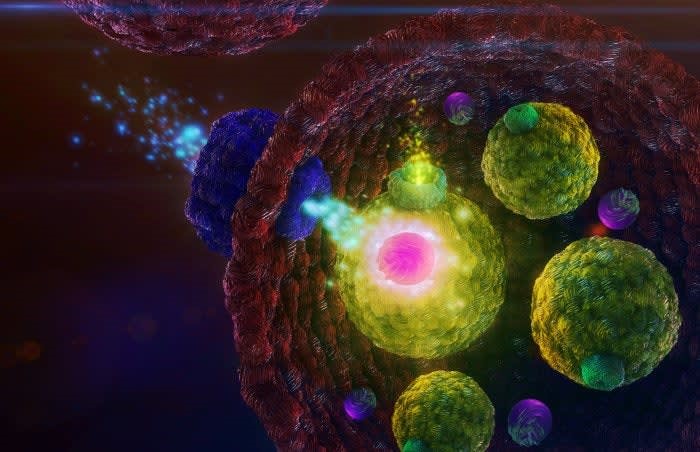
Imagine a tiny world inside our bodies where cells move, change shape, and work together to keep us alive. These microscopic building blocks are constantly shifting, dividing, and growing to form everything from our skin to our organs. Now, scientists have taken a big step forward by creating artificial cells—synthetic cells—that can mimic some of these amazing abilities. Even more exciting, these synthetic cells can change their shape when light shines on them. This discovery could lead to incredible new technologies, like cells that heal wounds or deliver medicine exactly where it’s needed. Let’s dive into this fascinating breakthrough and explore what it means in simple terms.
What Are Synthetic Cells?
First, let’s talk about what synthetic cells are. Cells are the tiny units that make up all living things, like plants, animals, and even humans. They’re so small that you need a microscope to see them, but they do big jobs—like growing, moving, and repairing damage. Scientists have long wanted to build their own cells from scratch to understand how life works and to create tools for medicine and science. These human-made cells are called synthetic cells because they’re not natural—they’re designed and built in a lab.
Unlike real cells that come from nature, synthetic cells are made using simple materials, like chemicals or proteins, put together in a way that copies what living cells do. For years, researchers have been trying to make synthetic cells that act more like the real thing. They’ve succeeded in making basic versions that can grow or divide, but now they’ve gone further: they’ve created synthetic cells that can change shape, just like real cells, and they can control this shape-shifting with light.
How Did Scientists Do This?
This exciting discovery came from a team of scientists, including researchers from the Massachusetts Institute of Technology (MIT) and other institutions. They used a special trick called “optogenetics,” which is a way to control living things with light. Optogenetics works by adding light-sensitive proteins to cells. When light hits these proteins, it triggers changes inside the cell—like flipping a switch to turn something on or off.
To make their synthetic cells, the scientists started with egg cells from starfish. Starfish are often used in science because their cells are simple and easy to study, especially when they’re growing and developing. Inside these starfish egg cells, there’s a natural system that controls how they move and change shape. This system involves an enzyme called GEF, which is like a tiny worker inside the cell. When GEF gets activated, it tells another protein, called Rho, to start building little muscle-like fibers. These fibers pull and tug on the cell, making it squeeze, stretch, or even split into two.
The clever part of this experiment was that the scientists made a version of the GEF enzyme that responds to light. They injected this light-sensitive GEF into the starfish egg cells and then shone different patterns of light on them. When the light hit, the GEF enzyme woke up and started working. It told the Rho protein where to go, and the cell began to move or change shape based on where the light was shining. For example, if they shone light on one spot, the cell would pinch there. If they used a different pattern, the cell could turn into a square or stretch out in a new way. It was like using light as a remote control to guide the cell’s dance!
What Makes This So Special?
This isn’t the first time scientists have used light to control cells, but it’s a big leap forward for a few reasons. First, they showed they could make the cell do big, dramatic changes with just a small burst of light. They call this an “excitable system,” which means a little signal—like a single beam of light—can trigger a huge reaction, like the whole cell contracting or reshaping itself. This is similar to how real cells work in nature, where small signals can lead to big actions, like a muscle flexing or a wound closing up.
Second, the scientists didn’t just make the cells move—they figured out how to predict what shapes the cells would take. They built a model, like a set of instructions, that explains how the cell’s shape changes depending on the light pattern. This is a big deal because it helps them understand the rules of how cells work, almost like cracking a secret code of life. With this knowledge, they can design synthetic cells that do exactly what they want, when they want.
Finally, this discovery bridges the gap between natural cells and synthetic ones. Real cells are complicated, with lots of parts working together in ways we don’t fully understand. Synthetic cells are simpler because scientists build them step-by-step, so they can control every piece. By making synthetic cells that shape-shift like real ones, researchers are learning how to copy nature’s tricks—and maybe even improve on them.
Why Does This Matter?
So, why should we care about cells that change shape with light? The answer lies in what these synthetic cells could do in the future. Here are some exciting possibilities:
- Healing Wounds: Imagine tiny synthetic cells that doctors could put on a cut or burn. When they shine a light on the wound, the cells could contract and pull the skin together, helping it heal faster. These “patch cells” could act like a living bandage that responds to a doctor’s commands.
- Delivering Medicine: Another idea is using these cells to carry medicine inside the body. The synthetic cells could travel to a specific spot—like a tumor—and only release the medicine when light turns them on. This could make treatments more precise, so the medicine goes exactly where it’s needed without affecting healthy parts of the body.
- Understanding Life: By building cells that mimic real ones, scientists can study how life begins and grows. For example, they could use these synthetic cells to learn how a single cell turns into a whole organism, like a starfish or even a human. This could unlock mysteries about development and disease.
- New Materials: Beyond medicine, these shape-shifting cells could inspire new kinds of materials. Imagine fabrics or tools that change shape when you shine light on them—strong one minute, flexible the next. This could lead to inventions we can’t even picture yet!
How Did They Test It?
To figure all this out, the scientists did careful experiments. They put the starfish egg cells under a microscope and used special lights to test different patterns. They watched closely as the cells jiggled, pinched, and morphed, recording everything to see what happened. When they shone light on one spot, the cell might pull in that direction. When they used a bigger light, the whole cell might shrink or stretch. They even found that if they used just the right amount of light, the cell would start moving on its own, like it had been kickstarted into action.
They also teamed up with other experts to create a math-based model. This model let them guess what the cell would do before they even tried it with light. When their guesses matched what they saw under the microscope, they knew they were onto something big. It was like having a map that showed them how to steer the cell wherever they wanted it to go.
What’s Next?
This discovery is just the beginning. The scientists, led by people like Nikta Fakhri from MIT, see it as a “blueprint” for making programmable synthetic cells. That means they can start designing cells with specific jobs in mind—like healing, delivering, or exploring. They’re already thinking about how to make these cells even better, maybe by adding more controls or using different kinds of light.
There are challenges ahead, though. Right now, they’re working with starfish cells, which are simpler than human cells. To use this in people, they’ll need to figure out how to make it safe and effective in our bodies. They’ll also need to test it a lot more to make sure it works the way they hope. But the possibilities are so exciting that researchers around the world are jumping in to help.
A Peek Into the Future
This breakthrough shows us how creative science can be. By mixing biology with tools like light, scientists are building a bridge between the living world and the one we create. It’s like they’re learning to speak the language of cells and then teaching it to machines. The idea of synthetic cells that shape-shift with light might sound like science fiction, but it’s becoming real—and it could change our lives in ways we’re only starting to imagine.
In the end, this discovery isn’t just about making cool cells. It’s about understanding life itself—how it moves, grows, and adapts. As Nikta Fakhri said, it’s about “uncovering basic design principles” of how living things organize themselves. With every step forward, we get closer to decoding nature’s secrets and using them to make the world a healthier, smarter place. So, the next time you see a beam of light, think about this: it might just be the key to shaping the future, one tiny cell at a time.