
Understanding Ectopic Pregnancy: Causes, Symptoms, Treatment, and Prevention
An ectopic pregnancy is a serious medical condition where a fertilized egg implants outside the uterus, most commonly in one of the fallopian tubes. This type of pregnancy cannot proceed normally and poses significant health risks if not addressed promptly. In this comprehensive guide, we’ll explore ectopic pregnancy in simple, human-readable terms, covering its causes, symptoms, treatment options, and prevention strategies. We’ll also address frequently asked questions to provide clarity and support for those seeking answers.
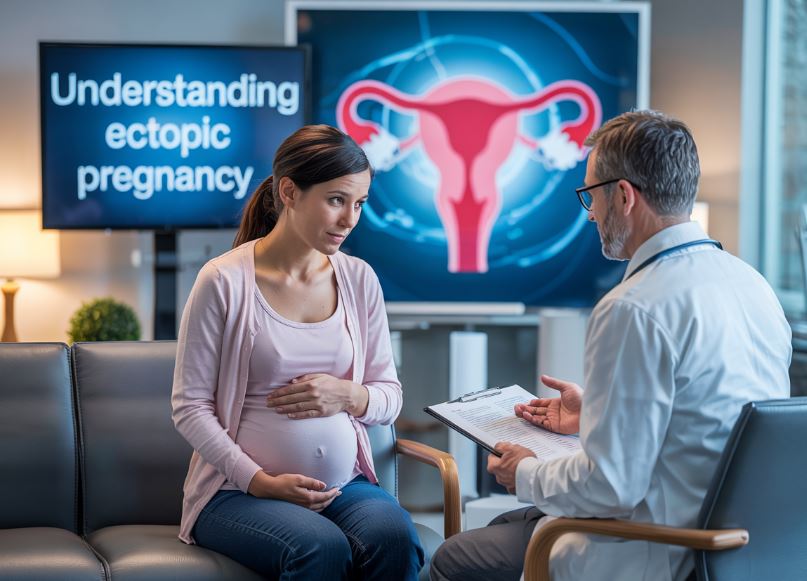
What Is an Ectopic Pregnancy?
In a typical pregnancy, a fertilized egg travels through the fallopian tube and implants in the lining of the uterus, where it grows into a fetus. In an ectopic pregnancy, the egg implants somewhere else—usually in the fallopian tube (known as a tubal pregnancy), but it can also occur in the ovary, cervix, or abdominal cavity. Because these areas aren’t designed to support a growing embryo, an ectopic pregnancy cannot develop into a healthy baby and can lead to life-threatening complications, such as internal bleeding, if untreated.
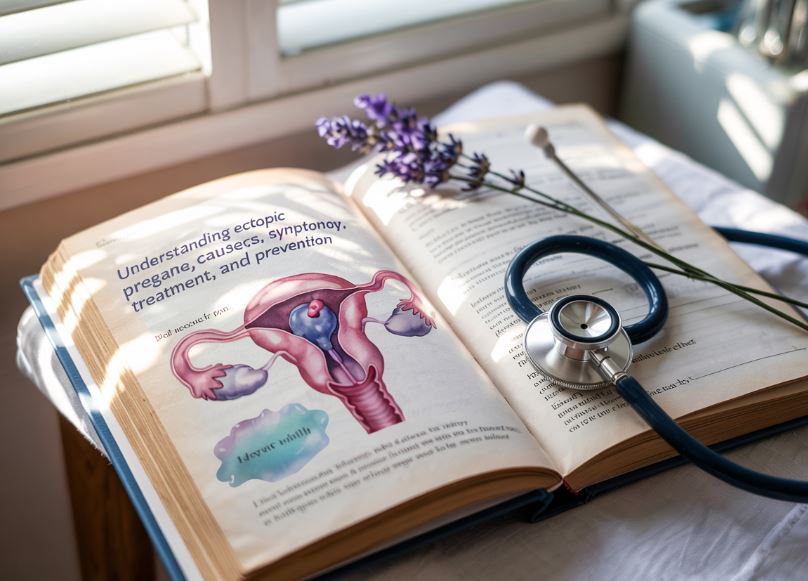
Ectopic pregnancies occur in about 1-2% of all pregnancies. Early detection and treatment are crucial to protect the health of the individual.
Ectopic Pregnancy Causes
Understanding the ectopic pregnancy causes helps in recognizing risk factors and seeking timely care. Several factors can increase the likelihood of an ectopic pregnancy, including:
- Damage to the Fallopian Tubes: Scarring or blockages in the fallopian tubes can prevent the fertilized egg from reaching the uterus. This damage may result from:
- Pelvic inflammatory disease (PID), often caused by untreated sexually transmitted infections like chlamydia or gonorrhea.
- Previous surgeries, such as tubal ligation or reversal procedures.
- Endometriosis, where tissue similar to the uterine lining grows outside the uterus.
- Hormonal Factors: Imbalances in hormones, such as those caused by fertility treatments or certain contraceptives (e.g., progestin-only pills), can affect how the egg moves through the fallopian tube.
- Previous Ectopic Pregnancy: If you’ve had an ectopic pregnancy before, the risk of another is higher, especially if the underlying cause wasn’t resolved.
- Smoking: Cigarette smoking can impair the function of the fallopian tubes, making it harder for the egg to travel to the uterus.
- Age: Women over 35 are at a slightly higher risk due to changes in reproductive health.
- Use of Assisted Reproductive Technologies: Procedures like in vitro fertilization (IVF) can occasionally lead to ectopic pregnancies, though this is rare.
- Congenital Abnormalities: Some individuals are born with structural abnormalities in their fallopian tubes, increasing the risk.
While these factors increase the likelihood, an ectopic pregnancy can happen to anyone, even without obvious risk factors.
When Do Ectopic Pregnancy Symptoms Start?
When ectopic pregnancy symptoms start depends on how quickly the embryo grows and where it’s implanted. Symptoms typically appear between 4 and 12 weeks of pregnancy, with most cases becoming noticeable around 6 to 8 weeks. However, some individuals may experience signs earlier, especially if the pregnancy causes complications like a ruptured fallopian tube.
Common symptoms include:
- Abdominal or pelvic pain, which may feel sharp or cramp-like and can be on one side.
- Vaginal bleeding, which may be lighter or heavier than a normal period and sometimes appears brown or watery.
- Shoulder pain, an unusual symptom caused by internal bleeding irritating nerves (a medical emergency).
- Weakness, dizziness, or fainting, which may indicate internal bleeding or shock.
- Gastrointestinal symptoms, such as nausea or diarrhea, which can be mistaken for other conditions.
If you’re pregnant and experience any of these symptoms, contact a healthcare provider immediately.
Signs of Ectopic Pregnancy at 4 Weeks
Detecting an ectopic pregnancy at 4 weeks can be challenging because symptoms may be subtle or absent. However, some signs of ectopic pregnancy at 4 weeks might include:
- Mild pelvic discomfort or cramping on one side of the abdomen.
- Light vaginal spotting or bleeding that’s different from a typical period.
- Missed period or a positive pregnancy test, sometimes with lower-than-expected pregnancy hormone levels (hCG).
- Fatigue or nausea, which may mimic early pregnancy symptoms.
At this stage, many ectopic pregnancies are diagnosed during routine ultrasounds or blood tests, especially for those with known risk factors. If you suspect an ectopic pregnancy, a doctor may monitor your hCG levels and perform an early ultrasound to confirm the embryo’s location.
When Does Ectopic Pregnancy Pain Start?
When does ectopic pregnancy pain start? Pain typically begins when the embryo grows large enough to stretch or irritate the tissue where it’s implanted, usually between 6 and 8 weeks. However, it can start as early as 4 weeks in some cases or later if the pregnancy progresses slowly.
The pain may:
- Feel sharp, stabbing, or cramp-like.
- Be localized to one side of the pelvis or abdomen.
- Worsen with movement or physical activity.
- Radiate to the shoulder if internal bleeding occurs.
Sudden, severe pain, especially with dizziness or heavy bleeding, is a sign of a possible rupture and requires immediate medical attention.
Does Your Belly Grow with an Ectopic Pregnancy?
A common question is, does your belly grow with an ectopic pregnancy? In most cases, no, your belly does not grow significantly with an ectopic pregnancy. Since the embryo implants outside the uterus, it doesn’t cause the uterus to expand as it would in a normal pregnancy. Any abdominal swelling is more likely due to bloating, fluid buildup, or, in rare cases, complications like internal bleeding.
If you notice belly growth, it’s important to consult a doctor to rule out other causes, such as a normal pregnancy or unrelated medical issues.
Ectopic Pregnancy Treatment
Ectopic pregnancy treatment depends on the size, location, and stage of the pregnancy, as well as the individual’s overall health. The goal is to safely remove the ectopic pregnancy while preserving fertility and preventing complications. Treatment options include:
- Medication (Methotrexate):
- Used for early, unruptured ectopic pregnancies.
- Methotrexate stops the growth of the pregnancy cells, allowing the body to absorb the tissue over time.
- Requires close monitoring with blood tests to ensure hCG levels drop.
- Side effects may include nausea, fatigue, or abdominal pain.
- Ectopic Pregnancy Surgery:
- Necessary if the ectopic pregnancy is large, has ruptured, or if medication isn’t suitable.
- Laparoscopy, a minimally invasive procedure, is most common. It involves small incisions to remove the ectopic pregnancy and repair or remove the affected fallopian tube.
- In emergencies, a laparotomy (open surgery) may be needed, especially if there’s significant internal bleeding.
- Surgery may reduce fertility if a fallopian tube is removed, but many individuals can still conceive with one tube.
- Expectant Management:
- In rare cases, if the ectopic pregnancy is very small and hCG levels are low, doctors may monitor it closely without immediate intervention, allowing the body to resolve it naturally.
- This approach carries risks and requires frequent checkups.
After treatment, follow-up care is essential to ensure recovery and assess future fertility. Emotional support, such as counseling, can also help process the experience.
How to Prevent Ectopic Pregnancy
While it’s not always possible to prevent an ectopic pregnancy, certain steps can reduce the risk. Here’s how to prevent ectopic pregnancy to the extent possible:
- Practice Safe Sex: Preventing sexually transmitted infections (STIs) like chlamydia and gonorrhea reduces the risk of pelvic inflammatory disease, a major cause of tubal damage.
- Quit Smoking: Smoking harms fallopian tube function, so quitting can lower your risk.
- Regular Health Checkups: Routine gynecological exams can catch conditions like endometriosis or infections early.
- Monitor Fertility Treatments: If undergoing IVF or other fertility procedures, work closely with your doctor to ensure proper embryo placement.
- Prompt Treatment of Infections: Seek medical care for any signs of pelvic infection, such as unusual discharge or pain.
- Know Your Risk Factors: If you’ve had a previous ectopic pregnancy or tubal surgery, discuss preventive strategies with your doctor before trying to conceive.
Taking these precautions can help, but ectopic pregnancies can still occur unexpectedly. Early prenatal care is key to catching issues quickly.
Emotional Impact and Recovery
An ectopic pregnancy can be physically and emotionally challenging. Many individuals feel grief, guilt, or anxiety after the loss. It’s important to:
- Seek support from loved ones, a counselor, or a support group.
- Allow time to heal emotionally and physically before trying to conceive again.
- Discuss future pregnancy plans with a healthcare provider to address concerns about fertility.
Most people who’ve had an ectopic pregnancy can go on to have healthy pregnancies, especially with proper care.
Frequently Asked Questions (FAQ)
1. What causes an ectopic pregnancy?
An ectopic pregnancy is caused by factors like damaged fallopian tubes, hormonal imbalances, smoking, previous ectopic pregnancies, or fertility treatments. Infections or structural abnormalities can also play a role.
2. When do ectopic pregnancy symptoms typically start?
Symptoms usually begin between 4 and 12 weeks, with most cases noticeable around 6 to 8 weeks. Early signs include pelvic pain, vaginal bleeding, or dizziness.
3. Can you prevent an ectopic pregnancy?
While not fully preventable, you can reduce risk by avoiding STIs, quitting smoking, treating infections promptly, and getting regular checkups.
4. Does an ectopic pregnancy cause belly growth?
No, an ectopic pregnancy doesn’t typically cause significant belly growth since it occurs outside the uterus. Any swelling may be due to bloating or complications.
5. What are the signs of an ectopic pregnancy at 4 weeks?
At 4 weeks, signs may include mild pelvic pain, light spotting, or a positive pregnancy test with unusual symptoms. Diagnosis often requires an ultrasound or blood tests.
6. How is an ectopic pregnancy treated?
Treatment options include medication (methotrexate) to stop pregnancy growth, surgery (laparoscopy or laparotomy) to remove the pregnancy, or, rarely, expectant management.
7. When does pain from an ectopic pregnancy start?
Pain often starts between 6 and 8 weeks but can begin as early as 4 weeks. It may feel sharp or cramp-like and worsen with movement.
8. Is surgery always needed for an ectopic pregnancy?
No, surgery isn’t always required. Early ectopic pregnancies can sometimes be treated with medication or monitored if they’re resolving naturally.
Conclusion
An ectopic pregnancy is a serious condition that requires prompt attention, but with early diagnosis and treatment, most individuals recover well and can plan for future pregnancies. By understanding ectopic pregnancy causes, recognizing when ectopic pregnancy symptoms start, and knowing how to prevent ectopic pregnancy, you can take proactive steps for your reproductive health. If you suspect an ectopic pregnancy, don’t hesitate to seek medical care—early intervention can make all the difference.
For more information or personalized advice, consult a healthcare provider. Stay informed, stay safe, and prioritize your well-being.
Disclaimer: This information is for educational purposes only and is not a substitute for professional medical advice. Consult a healthcare provider for personalized guidance.