
Understanding Pregnancy Tests: A Simple Guide
Pregnancy is an exciting and life-changing event for many people. Whether you're hoping to start a family or just want to confirm whether you're expecting, a pregnancy test is often the first step. But how do these tests work? What types are available? And how can you use them effectively? In this article, we’ll break it all down in an easy-to-understand way.
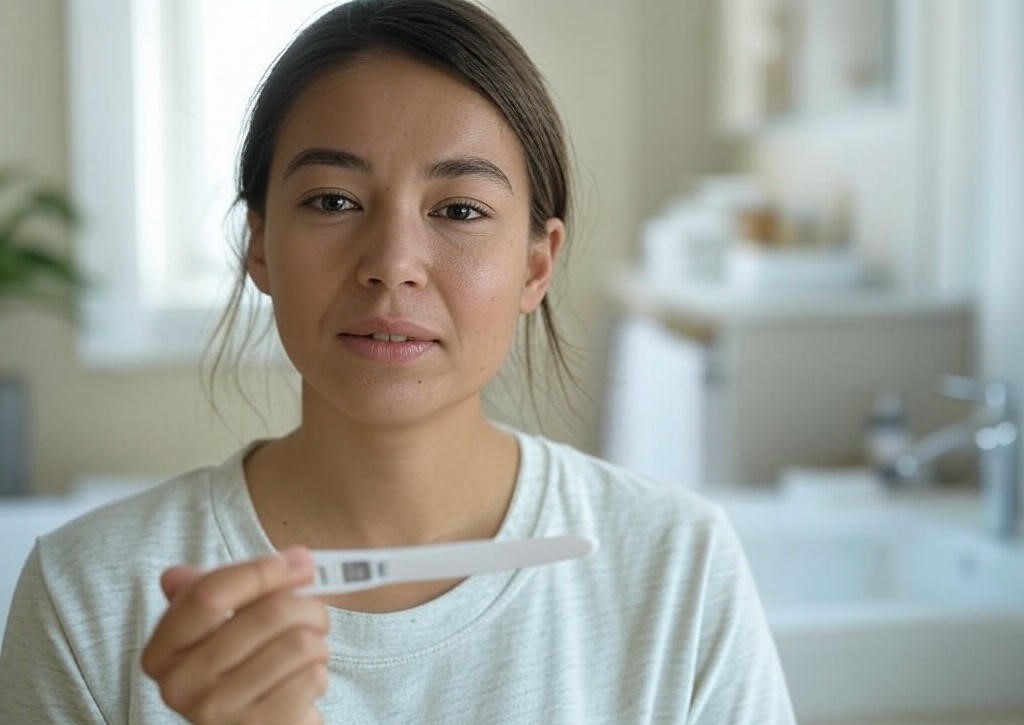
What Is a Pregnancy Test?
A pregnancy test is a tool used to find out if a person is pregnant. It checks for a hormone called human chorionic gonadotropin (hCG). This hormone is made by the body after a fertilized egg attaches to the wall of the uterus, which happens about 6-12 days after conception (when sperm meets egg). If hCG is present in your body, it’s a strong sign that you’re pregnant.
Pregnancy tests are simple to use, widely available, and can be done at home or in a doctor’s office. They come in different forms, but their main job is the same: to detect hCG and give you a yes-or-no answer about pregnancy.
How Do Pregnancy Tests Work?
Pregnancy tests look for hCG in either your urine (pee) or blood. When you’re pregnant, your body starts producing hCG, and the levels increase quickly in the early weeks. Most home pregnancy tests use urine because it’s easy to collect and test at home. Here’s a basic rundown of how they work:
- Urine Tests: You either pee on a stick or dip a test strip into a cup of your urine. The test has special chemicals that react to hCG. If the hormone is there, the test shows a positive result—usually a line, a plus sign, or the word “pregnant” on a digital test.
- Blood Tests: These are done at a doctor’s office. A small sample of your blood is taken and sent to a lab. Blood tests can detect hCG earlier than urine tests and can even measure how much hCG is in your system, which helps doctors track the pregnancy’s progress.
The key to both tests is hCG. Without it, the test will show a negative result, meaning no pregnancy is detected.
Types of Pregnancy Tests
There are a few different kinds of pregnancy tests you can choose from. Let’s look at the main options:
- Home Urine Tests
- What They Are: These are the ones you buy at a pharmacy or supermarket. Brands like Clearblue, First Response, and store generics are common examples.
- How to Use Them: You pee on the stick or dip it in a urine sample, wait a few minutes (usually 1-5), and check the result.
- Pros: Cheap, private, and easy to use. They’re also very accurate if you follow the instructions.
- Cons: They might not detect pregnancy as early as blood tests, and user mistakes (like testing too soon) can affect results.
- Digital Pregnancy Tests
- What They Are: A fancier version of the home urine test. Instead of lines, they display words like “Pregnant” or “Not Pregnant” on a screen.
- How to Use Them: Same as regular urine tests—pee on the stick and wait.
- Pros: Easier to read, no guessing about faint lines. Some even estimate how far along you are.
- Cons: More expensive than basic tests.
- Blood Tests
- What They Are: Done by a healthcare provider. There are two types: qualitative (yes/no answer) and quantitative (measures exact hCG levels).
- How to Use Them: You visit a clinic, they draw your blood, and you wait for results (usually a day or two).
- Pros: Super accurate and can detect pregnancy earlier (as soon as 6-8 days after ovulation). Quantitative tests can also spot potential issues if hCG levels are off.
- Cons: Not something you can do at home, and they cost more.
When Should You Take a Pregnancy Test?
Timing is everything with pregnancy tests. Testing too early can lead to a false negative (the test says you’re not pregnant when you actually are). Here’s when to test:
- For Urine Tests: Most home tests work best if you wait until the first day of your missed period. For a regular 28-day menstrual cycle, that’s about 14 days after ovulation. Some sensitive tests (like First Response Early Result) claim they can detect pregnancy 5-6 days before your missed period, but accuracy improves the longer you wait.
- For Blood Tests: These can detect pregnancy as early as 6-8 days after ovulation, even before a missed period. Doctors might suggest this if you have irregular periods or need early confirmation.
If you test too soon and get a negative result but still think you might be pregnant, wait a few days and test again. hCG levels double every 2-3 days in early pregnancy, so waiting can make a difference.
How Accurate Are Pregnancy Tests?
When used correctly, home pregnancy tests are about 97-99% accurate. But a few things can affect the results:
- Testing Too Early: If hCG levels are too low to detect, you might get a false negative.
- User Error: Not following instructions—like not waiting long enough or using diluted urine (from drinking lots of water)—can mess up the result.
- Expired Tests: Always check the expiration date on the box. Old tests might not work properly.
- Medical Conditions: Rarely, things like cysts, certain medications, or a recent miscarriage can cause a false positive (the test says you’re pregnant when you’re not).
Blood tests are even more reliable, especially quantitative ones, since they measure exact hCG levels and are handled by professionals.
How to Use a Home Pregnancy Test: Step-by-Step
Here’s a simple guide to using a home urine test:
- Buy a Test: Pick one from a store or online. Check reviews if you’re unsure which brand to choose.
- Read the Instructions: Every test is a little different, so follow the directions in the box.
- Choose the Right Time: First morning urine (when you wake up) is best because it’s more concentrated with hCG.
- Take the Test: Either pee directly on the stick or collect urine in a cup and dip the test in.
- Wait: Set a timer for the recommended wait time (usually 1-5 minutes). Don’t check too soon or too late.
- Check the Result: Look for lines, symbols, or words as described in the instructions.
- Double-Check if Needed: If the result is unclear (like a faint line), test again in a couple of days.
What Do the Results Mean?
Positive: Two lines, a plus sign, or “Pregnant” means hCG was detected, and you’re likely pregnant. Follow up with a doctor to confirm.
Negative: One line or “Not Pregnant” means no hCG was found. If your period still doesn’t start, test again or see a doctor.
Invalid: No lines or an error symbol means the test didn’t work. Try a new one.
What If You Get a Faint Line?
A faint line usually means there’s some hCG, but the levels are low. This could happen if you’re very early in pregnancy or if the test isn’t super sensitive. Wait 2-3 days and test again with a fresh kit. If the line gets darker, it’s a good sign pregnancy is progressing.
Can Anything Else Affect the Test?
Yes, a few things can throw off results:
- Medications: Fertility drugs with hCG (like injections) can cause a false positive. Common meds like ibuprofen or birth control pills usually don’t affect tests.
- Evaporation Lines: If you wait too long to read the result, a faint “ghost line” might appear. This isn’t a positive result—check within the time limit.
- Chemical Pregnancy: Sometimes a very early miscarriage happens, and hCG is still in your system, leading to a positive test even though the pregnancy didn’t continue.
What to Do After a Positive Test
If your test is positive, congratulations might be in order! Here’s what to do next:
- See a Doctor: They’ll confirm the pregnancy with a blood test or ultrasound and help you plan prenatal care.
- Start Healthy Habits: Eat well, avoid alcohol and smoking, and consider prenatal vitamins with folic acid.
- Tell Someone: Share the news with a partner, family, or friend if you’re ready.
If the result isn’t what you hoped for—whether positive or negative—talk to someone you trust or a healthcare provider for support.
Fun Facts About Pregnancy Tests
- The first home pregnancy test came out in 1976. Before that, doctors used lab tests or even injected urine into rabbits (yes, really!).
- Modern tests can detect hCG levels as low as 10-25 mIU/mL (milli-international units per milliliter), depending on the brand.
- Some digital tests now connect to apps to track your results—technology is wild!
Final Thoughts
Pregnancy tests are a quick, reliable way to find out if you’re expecting. They’ve come a long way from the old days and are now simple enough for anyone to use at home. Whether you’re excited, nervous, or just curious, knowing how they work can take some of the mystery out of the process. If you ever have doubts about your result or next steps, a doctor or clinic is there to help.
So, next time you’re standing in the pharmacy aisle or waiting for those little lines to appear, you’ll know exactly what’s going on. Good luck, and take care!
Frequently Asked Questions (FAQ) About Pregnancy Tests
Here are answers to some common questions people have about pregnancy tests:
- How soon can I take a pregnancy test?
You can take a home pregnancy test as early as 5-6 days before your missed period if it’s a sensitive brand, but waiting until the first day of your missed period gives the most accurate result. Blood tests can detect pregnancy even earlier—around 6-8 days after ovulation. - Can I trust a home pregnancy test?
Yes, if you use it correctly! Home tests are 97-99% accurate when you follow the instructions and test at the right time. For extra certainty, see a doctor for a blood test. - Why did I get a faint line on my test?
A faint line usually means low hCG levels, which can happen if you’re testing early. Test again in a few days—if the line gets darker, it’s likely a positive result. If it’s still faint or unclear, see a doctor. - Can drinking water affect my test?
Yes, drinking a lot of water can dilute your urine and make hCG harder to detect. That’s why first morning urine is best—it’s more concentrated. - What if I get different results from two tests?
This can happen if one test is more sensitive, if you tested at different times, or if one was faulty. Wait a day or two, then test again with a new kit. If you’re still unsure, visit a doctor. - Can medications mess up my test?
Most medications (like painkillers or birth control) won’t affect a test. But fertility drugs with hCG can cause a false positive. Check with your doctor if you’re on meds and unsure. - What’s the difference between a cheap test and an expensive one?
Cheap tests work fine and are just as accurate if used correctly. Expensive ones, like digital tests, might be easier to read or offer extras like estimating how far along you are. - Can a test tell me if I’m not pregnant for sure?
A negative result usually means you’re not pregnant, but if you test too early, it could be wrong. If your period doesn’t start after a negative test, retest or see a doctor. - How long should I wait to retest after a negative result?
Wait at least 2-3 days. hCG levels double every couple of days in early pregnancy, so waiting increases the chance of detection if you’re pregnant. - Can stress or illness affect my test?
No, stress or common illnesses (like a cold) don’t affect hCG levels or test results. Only specific medical conditions or medications might cause issues.