
Why Myanmar is Frequently Rocked by Earthquakes
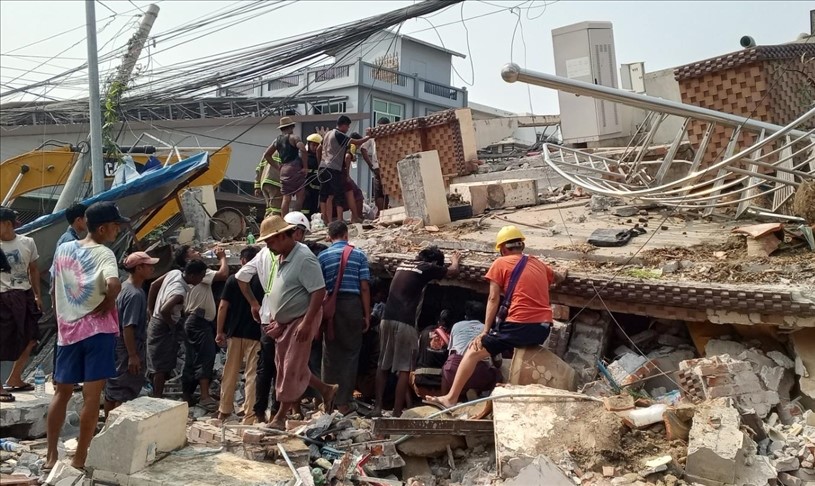
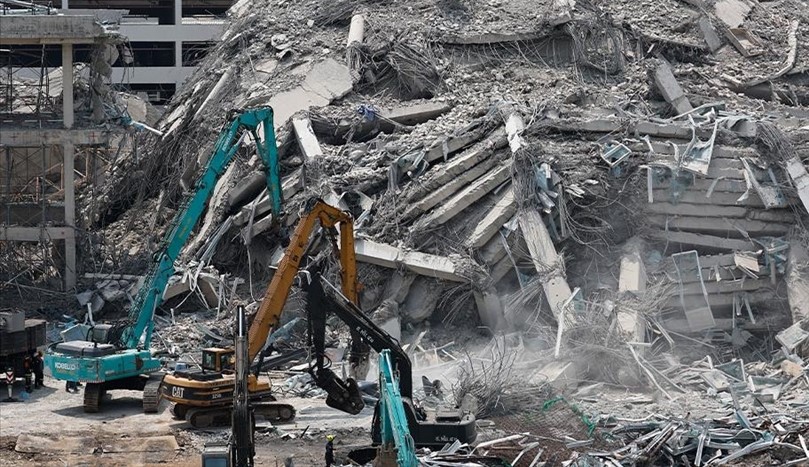
Earthquakes are sudden and strong shaking of the ground. They happen when energy is released deep inside the Earth. This shaking can make buildings fall, start landslides, and even cause big waves called tsunamis. Earthquakes are a natural event, and some places, like Myanmar, have them a lot.
What Causes Earthquakes?
The Earth’s surface is not one solid piece. It is made up of big sections called tectonic plates. These plates are like giant puzzle pieces that fit together. They float on a hot, soft layer beneath them called the mantle. The plates move very slowly, about as fast as your fingernails grow, which is just a few centimeters each year. Sometimes, when two plates push against each other or slide past each other, they get stuck. Pressure builds up over time because they keep trying to move. When the pressure gets too strong, the plates slip suddenly. This slip releases energy, and that energy makes the ground shake. That shaking is what we call an earthquake.
Where is Myanmar?
Myanmar is a country in Southeast Asia. It sits between some big countries like India, China, Thailand, and Bangladesh. It is also near the Andaman Sea to the west. Myanmar has mountains, valleys, and flat areas like the Irrawaddy Delta. What makes Myanmar special is its location. It is right where two huge tectonic plates meet: the Indian plate and the Eurasian plate. These plates are always moving, and their movement affects Myanmar a lot.
The Subduction Zone
One big reason Myanmar has so many earthquakes is something called a subduction zone. A subduction zone is a place where one tectonic plate is forced to slide under another plate. In Myanmar’s case, the Indian plate is moving north and going under the Eurasian plate. This happens at a speed of about 4 to 5 centimeters every year. When one plate goes under another, it causes a lot of stress and friction. That stress builds up over time. When the plates finally slip, it releases energy that causes earthquakes. Subduction zones are famous for having many earthquakes, and some of them can be very strong. The subduction zone near Myanmar is very active, so the country feels earthquakes often.
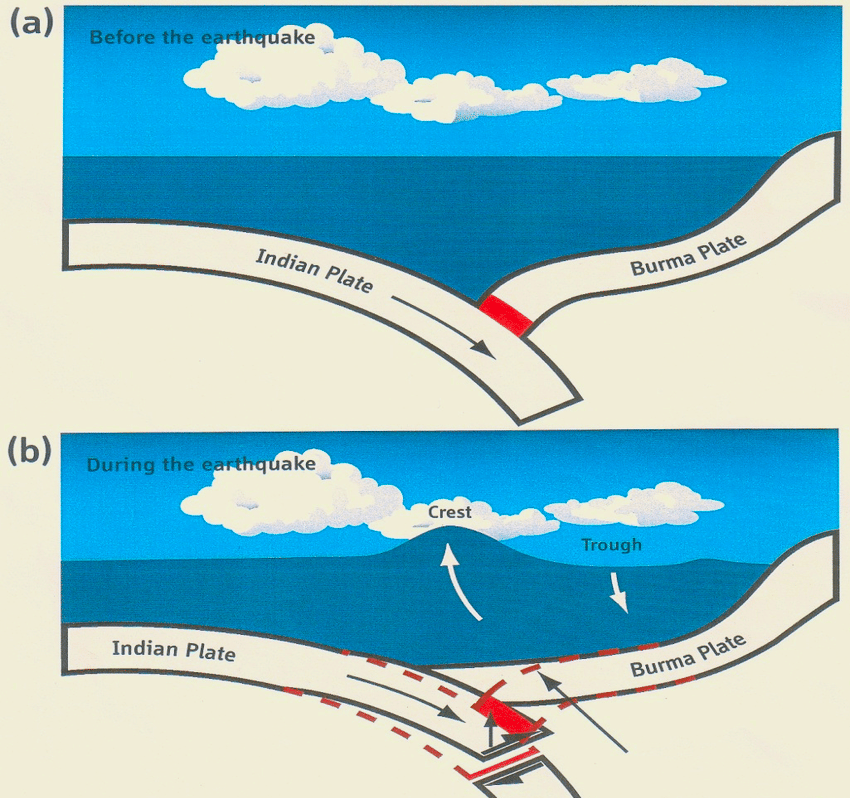
Suggested Image: A map or diagram showing the tectonic plates near Myanmar, including the Indian plate, Eurasian plate, and the Sagaing Fault.
The Sagaing Fault
Another reason for earthquakes in Myanmar is the Sagaing Fault. A fault is a crack in the Earth’s crust where two pieces of rock can move. The Sagaing Fault runs through Myanmar from north to south. It is a special kind of fault called a strike-slip fault. This means the two sides of the fault slide past each other sideways, like when you rub your hands together. When these rocks get stuck and then slip, it causes the ground to shake. The Sagaing Fault is one of the most active faults in the world, so it adds to the number of earthquakes Myanmar experiences.
Why So Many Earthquakes?
Myanmar has a lot of earthquakes because it is on both a subduction zone and a major fault line. The subduction of the Indian plate under the Eurasian plate creates big pressure. The Sagaing Fault inside the country adds even more movement. Together, these two things make Myanmar a very shaky place. Some earthquakes are small and people don’t feel them. Others are big and can be felt across the country. The combination of these geological features means earthquakes happen frequently in Myanmar.
Examples of Earthquakes in Myanmar
Myanmar has had many earthquakes in its history. For example, in 2011, there was a strong earthquake with a magnitude of 6.8. Magnitude is a way to measure how strong an earthquake is. This one caused buildings to shake, damaged homes, and sadly, some people were hurt or killed. Long ago, in 1839, there was the Ava earthquake. It was very destructive and damaged many buildings in the old city of Ava. Another big one happened in 1930 near Bago, with a magnitude of about 7.3. These examples show that Myanmar has had big earthquakes before and will likely have more in the future.
How Geology Plays a Role
The land in Myanmar also affects how earthquakes feel. The country has mountains, valleys, and flat areas with different kinds of soil and rock. In some places, like the Irrawaddy Delta, the soil is soft and loose. Soft soil can shake more during an earthquake, making the shaking feel stronger. In the mountains, the hard rocks can sometimes make the shaking travel further. This means that even if an earthquake starts far away, people in Myanmar might still feel it. The way the land is built adds to why earthquakes are so noticeable there.
Nearby Seismic Activity
Myanmar is also close to other shaky areas. To the west is the Andaman Sea, where the Indian plate is subducting too. A famous earthquake happened there in 2004. It was very strong and caused a huge tsunami that reached Myanmar’s coast. Even though that earthquake started near Indonesia, it shows how Myanmar can be affected by big events nearby. To the north, the Himalayan mountains were formed by the Indian plate pushing into the Eurasian plate. That movement causes earthquakes too, and Myanmar feels some of those effects. Being near these active areas makes Myanmar more likely to be rocked by earthquakes.
Staying Safe in Myanmar
Because earthquakes happen so often, people in Myanmar can do things to stay safe. They can tie heavy furniture to walls so it doesn’t tip over. They can keep an emergency kit with food, water, and first aid supplies ready. During an earthquake, hiding under a strong table or staying away from windows can help. Some buildings in Myanmar are now made to handle shaking better. They use stronger bases and materials that bend instead of break. These steps don’t stop earthquakes, but they can make them less dangerous.
Why Understanding Matters
Knowing why Myanmar has so many earthquakes is important. Scientists study the subduction zone and the Sagaing Fault to learn more. They use tools called seismographs to measure shaking and watch for patterns. This helps them warn people about possible earthquakes. Engineers use this information to build safer homes and schools. By understanding the reasons behind the earthquakes, Myanmar can get ready for them and protect its people better.
In Summary
Myanmar is frequently rocked by earthquakes because of where it is on the Earth. It sits on a subduction zone where the Indian plate slides under the Eurasian plate. It also has the Sagaing Fault, a big crack that causes more shaking. The country’s mountains, valleys, and soil make the shaking stronger in some places. Plus, Myanmar is near other active areas like the Andaman Sea and the Himalayas. All these things together mean earthquakes happen a lot in Myanmar. Understanding why this happens helps people prepare and stay safe when the ground starts to shake.